How a handcart started by the late Natvarlal Chotai grew into a name known across India and abroad
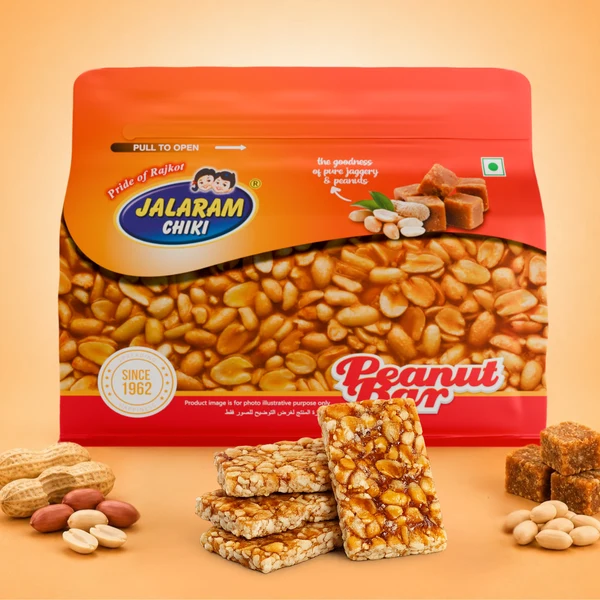
A family with an old tradition of making chiki, a small handcart (lari) in Rajkot's Soni Bazaar, and a lot of hard work: that is where Jalaram Chiki began. The brand started in 1962 and is run today by Prakashbhai Chotai and Manojbhai Chotai.
The late Natvarlal Chotai's family was going through a hard time financially. Natvarlal rented a tiny space in the Soni Bazaar and started a seasonal business from a lari. In summer he sold sugarcane juice and sherbet, in the monsoon he sold tea, and in winter he made chiki at home and sold it. The whole family helped. Even in tough times he never gave up his honesty. He swore never to do wrong, and that decision shaped the business.
Chiki is a seasonal item, but Natvarlal worked on quality. He made chiki at night and sold it in the day, working round the clock. People began to know him as "Nanubhai chikiwala", and his chiki became popular in Rajkot and nearby areas. Later his sons Prakashbhai and Manojbhai took over, when they were only 16 to 18 years old, because their father's health had gone down. The brothers say they followed every rule their father had made.
Today Jalaram Chiki has a factory in Rajkot and four retail stores in different parts of the city. It makes 24 flavours, including special health-friendly types. Rajbhog chiki has cashew, coconut, black raisins and more. Regular chiki comes in sing (peanut), til (sesame), dalia, chocolate, kash, peanut butter, black til, jaggery-peanut and others. Gold chiki is popular too. The company says it uses no artificial flavours or synthetic colours.
Jalaram was the first chiki brand to put nutrition value on its pack, in 1998. Manojbhai says jaggery chiki is healthier than sugar chiki, and the company's jaggery chiki is in growing demand. Natural ingredients, hygienic packing and clean production are the company's rules, and everything is done in-house.
The chiki season lasts only about 50 days a year, so the family sells through its stores and a short-term sales network. The company also cares about society, as waste from the factory is sent to a goshala (cow shelter) instead of being resold.
The name "Jalaram" brings a responsibility. The family says they must keep ethics at the centre, because the name belongs to Pujya Jalaram Bapa. The next generation is joining in: Prakashbhai's son Darpan and daughter-in-law Charmi are studying CA in Australia, Manojbhai's son Jay is making his way in the automobile field, and his daughter Aachal is in Class 11.
Prakashbhai and Manojbhai say they put trust ahead of profit, and process ahead of shortcuts.