From a 50-square-yard rented space to 150 kinds of kitchen machines
In Kothariya, a small village near Rajkot, a Leuva Patidar family farmed poor land that gave little yield. A boy from that family of seven studied in the village government school up to Class 7, then moved to relatives in Rajkot to finish Class 10. His name is Rajnibhai Rangani.
As a young man, he wanted to help his family. He thought of learning diamond polishing in Surat, but his father did not agree. So in 1994 he started working with a friend's brother in Rajkot. After two or three years of experience, in 1997 he and a partner began making gharghanti (flour mills). The line went well, but money stayed tight.
In 2007 the partnership ended. In very tough circumstances, Rajnibhai started again on his own, in a rented space of just 50 square yards, making gharghanti with almost no facilities and a lot of hard work. His brothers Vinubhai and Pareshbhai backed him, working day and night. Then came the turning point: with endless trials, they built a new gravy machine. It sold like hot cakes, and today about 80% of India's caterers use a Leenova gravy machine. They started their own foundry in 2012.
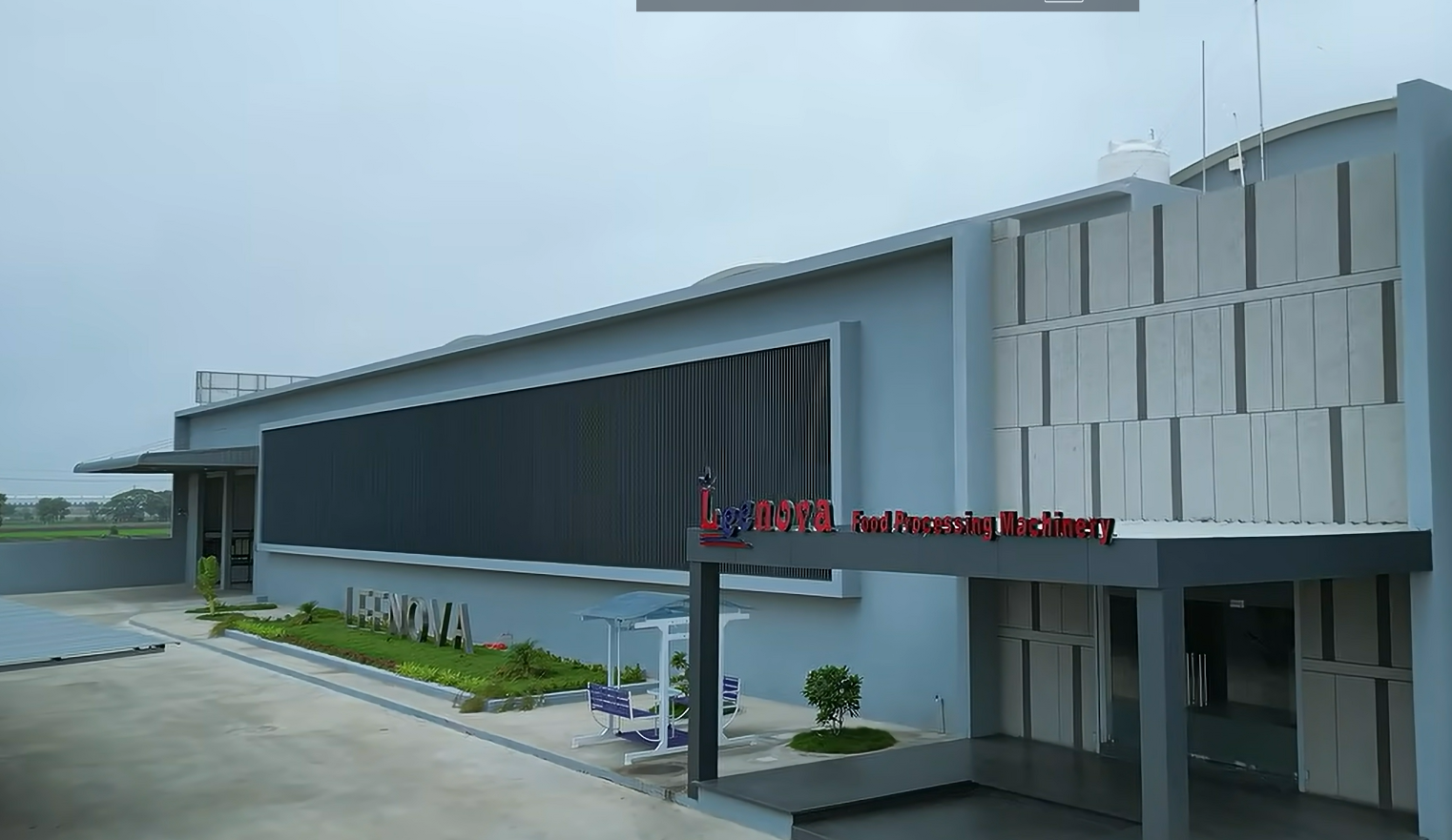
Today Leenova Kitchen Equipment Pvt. Ltd. works from 30,000 square feet in the Vavdi industrial area of Rajkot. About 150 people make around 60 to 70 machines a day. The range covers 150 kinds of food processing machines, with 300+ models, including namkeen machines, gravy machines, idli-dhokla ovens and pulverizers. The machines are sold across India and exported to Sri Lanka, Nepal, Bangladesh, Africa and Europe.
Rajnibhai says the company focuses on new products rather than price wars. Leenova does not chase price cuts, and refuses to compromise on quality. Its aim is machines that rarely need service. It has no post called "serviceman". Caterers, hotels and religious institutions love the brand, and orders keep arriving, so the factory works until 10 p.m.
Another idea, "The One" outlets, offers hotels a complete package, from food processing machines to spoons. Rajnibhai says the food industry cannot run without machines, and that high quality with low margin is the only way.
His story has hardships as well. His wife, Manishaben, recalls the lean years when she woke at five and worked till midnight beside him. One painful memory is the loss of his close friend and industrialist Dhirajbhai in an accident.
The name Leenova came from a TV advert for a laptop brand. The name was already registered, so he changed "LE" to "LEE" and had his brand. Rajnibhai says he has never needed to consult an astrologer for an auspicious time.
Leenova has bought five acres in the Khirasara GIDC, where all its units will be moved, and aims for ₹1,000 crore in turnover by 2030, with 10+ outlets across India.