How Rajubhai Jain's 10x10 grocery shop became Surat's Raju Namkeen
In a tiny Rajasthan village near Rajsamand, water was scarce and work was scarcer. A Jain family there struggled to get by. To feed his family, Narmalji Jain moved to Surat in 1974 with almost nothing, and worked in other people's shops to keep the household running.
His son Rajubhai (Rajmalji) grew up in that hardship. He opened a small grain and grocery shop, just 10x10 feet, in Ichchhapor village near Bhatha, and began married life and business there with his wife, Pistadevi, who stood by him through endless struggle. Later he began making farsan on a very small scale. With Pistadevi's help, he made it himself and sold it, even driving the delivery vehicle. Resources were few, but his will was strong. Once retail settled, he decided to sell wholesale.
His sons, Arunbhai and Jitendra (Sanjay) Jain, joined the business, and their vision gave it a big push. Today Mahavir Namkeens Pvt. Ltd. runs a modern farsan factory in Surat with a capacity of 50,000 kg a day. It turns over about ₹100 crore a year and employs 175 people in the factory plus about 40 in management.
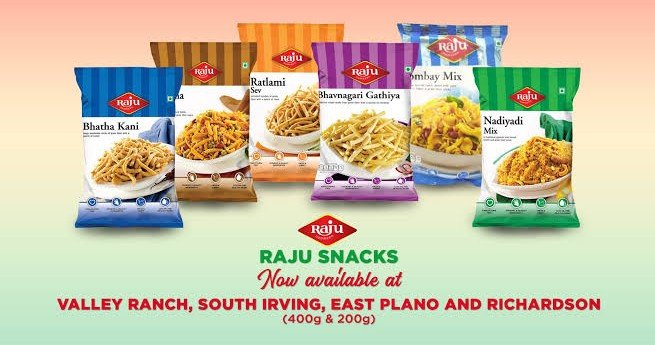
Raju Namkeen is built on one idea: 0% cholesterol and zero trans fat, with 100% taste. Arunbhai says most of its products use very little oil, and are light on weight yet full of flavour. The range has 56 products, from Bhatha Kani, plain sev, Ratlami sev and Bhavnagari ganthia to Mangalori mix, Nadiyadi mix and papad chavanu. About 80% of sales are wholesale and 20% retail. A retail store in Surat offers over 1,200 snack varieties, many made fresh daily. The company says it has over a crore regular customers in South Gujarat alone, and about 1.5 crore across India.
What sets it apart? Arunbhai says most farsan makers use one common masala and change only the quantity, but Raju Namkeen developed a different masala for every chavanu. Raw materials are checked, finished products are lab-tested before sale, and even staff nails and hair are inspected before they enter the factory. Rajubhai's rule has always been never to cheat a customer, and never to sell a flawed product. The company says its goods have never been returned for lacking taste or quality.
The family gives back. When Kashmir flooded, the company made 6,000 kg of farsan in a single day for the relief effort. Arunbhai is vice president of the Surat Namkeen Association and of the Bhatpor GIDC industrial association, and he welcomes GST and says stronger enforcement would give the industry confidence.
The next goals are bold: a limited company within three years and ₹500 crore turnover by 2025. The name "Raju Namkeen" wasn't chosen by the family. Surat's people gave it to them.