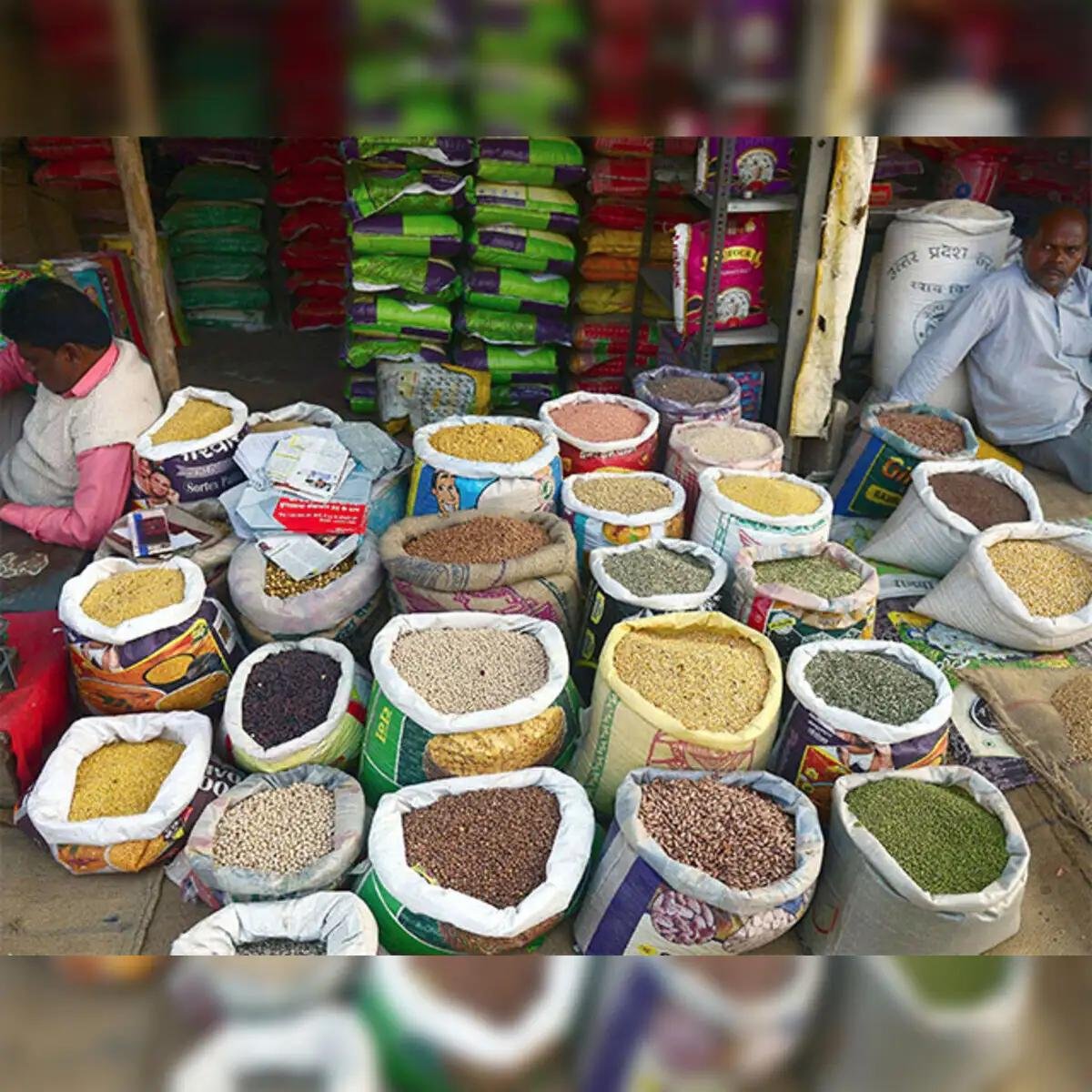
A weaker monsoon can affect agricultural output, procurement costs and inventory planning. Food processors, feed manufacturers and grain-based industries may need to review sourcing strategies as crop estimates and market prices evolve.
India's monsoon conditions are drawing attention to a major concern for the food industry: the availability and cost of agricultural raw materials. Changes in rainfall and crop yields can influence procurement costs for food processors, grain traders, poultry businesses, feed manufacturers and other industries dependent on agricultural inputs.
A report by Dun & Bradstreet, covered by The Financial Express on October 12, 2026, highlighted potential supply and cost risks associated with monsoon deficits. The report identified maize, rice, pulses and other cereals among the commodities requiring attention. It also noted that the effects would vary by crop and region.
The Financial Express
Why raw material planning matters
When supplies tighten, manufacturers may face higher purchase prices, longer procurement cycles and increased working-capital requirements. Businesses that rely on a limited number of suppliers can be particularly vulnerable to localised disruptions.
For example, a food manufacturer dependent on a single sourcing region may struggle to maintain production if supplies decline. A broader supplier network can provide greater flexibility, although alternative sources must also meet quality requirements.
Steps businesses can consider
Manufacturers and traders can review their supplier networks, monitor commodity prices, assess inventory requirements and establish contingency plans for important inputs. Long-term procurement arrangements may also help businesses manage uncertainty, depending on market conditions.
The actual impact will depend on final crop estimates, regional conditions, available stocks and market movements.
Industry takeaway: Proactive sourcing and inventory planning can help food businesses manage agricultural supply risks before they affect production and profitability.